As an Amazon Associate I earn from qualifying purchases.

Planning your first camping trip? Having the right gear can make your outdoor adventure more comfortable, organized, and enjoyable. But with so many camping products available, figuring out what to pack can feel overwhelming.
The good news is that you don’t need to buy every camping gadget on the market. Start with the essentials that help you sleep comfortably, prepare for changing weather, stay hydrated, and handle unexpected situations.
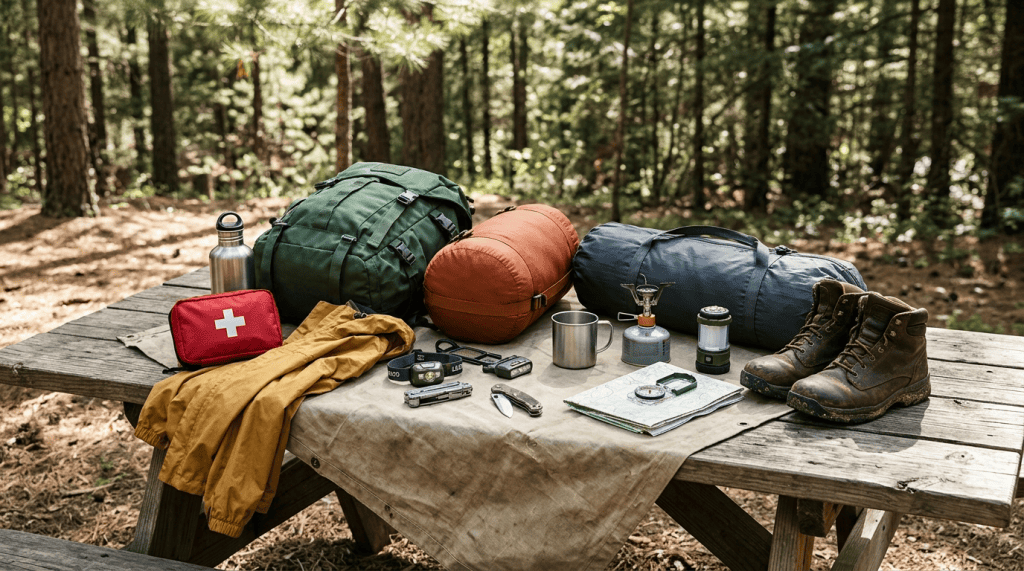
Whether you’re planning a weekend getaway with friends or a family camping trip, here are 11 camping essentials worth considering before you head outdoors.
1. A Reliable Camping Tent
Your tent provides shelter from the elements and a comfortable place to rest. Choose one based on the number of campers, the expected weather, and the conditions at your campsite.
Look for a tent with adequate sleeping space, weather-appropriate construction, and a design that’s manageable for your experience level. Practice setting it up at home before your trip.

Shopping tip: Check the tent’s capacity, packed size, setup instructions, and weather limitations before purchasing.
2. A Sleeping Bag for the Weather

A sleeping bag helps you stay comfortable during chilly nights outdoors. The best option depends on the lowest temperatures you expect during your trip.
Check the manufacturer’s temperature ratings and consider whether you’ll be camping in warm summer weather or cooler conditions. A sleeping bag that’s suitable for one season may not be comfortable in another.
Shopping tip: Compare temperature ratings, packed weight, and ease of cleaning.
3. A Comfortable Sleeping Pad

Even a good sleeping bag may not be enough for a comfortable night’s rest. A sleeping pad adds cushioning between you and the ground and can provide important insulation.
Options include inflatable pads, self-inflating pads, and foam sleeping mats. Consider how much comfort you want, how much space you have in your backpack, and how easy the pad is to set up.
Shopping tip: Look at thickness, packed size, durability, and insulation ratings.
4. A Rechargeable Camping Lantern

Good lighting makes it easier to prepare meals, organize your gear, and move around your campsite after sunset.
A rechargeable camping lantern can illuminate a tent or picnic table without requiring disposable batteries for every use. Some models also offer adjustable brightness or multiple lighting modes.
Shopping tip: Compare runtime at different brightness levels, charging options, and weather-resistance ratings.
5. A Headlamp or Flashlight

A lantern is useful for lighting an area, but a headlamp or flashlight is better when you need focused light while walking or completing tasks.
A headlamp keeps your hands free, which can be particularly helpful when setting up a tent or preparing equipment in the dark.
Shopping tip: Consider battery life, comfort, brightness settings, and whether the device is suitable for the conditions you’ll encounter.
6. Portable Cooking Equipment

If your campsite permits cooking, a suitable camping stove or other approved cooking equipment can make meal preparation easier.
Choose equipment based on the meals you plan to prepare and the facilities available at your destination. Remember that some campsites restrict open flames or particular fuel types.
Shopping tip: Check fuel compatibility, cooking capacity, packed size, and the manufacturer’s safety instructions.
Always operate camping stoves outdoors in a well-ventilated area, away from tents and other combustible materials. Never use outdoor cooking equipment inside a tent.
7. Drinking Water and a Reusable Water Bottle

Staying hydrated is essential during outdoor activities. Bring enough drinking water for your trip, taking into account the weather, physical activity, and availability of safe water sources.
For longer trips, you may also need an appropriate water treatment method, such as a filter or purification product suitable for the water source.
Shopping tip: Choose a bottle that’s easy to carry, clean, and refill. Confirm that any water treatment method is effective for the contaminants you may encounter.
8. A Well-Stocked First-Aid Kit

Minor cuts, blisters, and scrapes can happen during outdoor adventures. A first-aid kit helps you prepare for common minor injuries.
Look for a kit containing appropriate basic supplies and check its contents before every trip. Add any personal necessities you may need, and learn how to use the items correctly.
Shopping tip: Consider the length of your trip, group size, activities, and how far you’ll be from medical assistance.
A first-aid kit is a precaution, not a substitute for emergency services or appropriate medical care.
9. Insect Repellent

Mosquitoes and other biting insects can make a camping trip uncomfortable. Depending on your destination, insect repellent may be a useful part of your packing list.
Choose a product appropriate for your age group, destination, and expected insect exposure. Follow the label directions, including application and reapplication instructions.
Shopping tip: Check the active ingredient, usage directions, and any age-related precautions.
10. Weather-Appropriate Clothing and Rain Protection

Weather can change quickly outdoors, so it’s helpful to pack clothing that suits the forecast and the conditions you may encounter.
Layering makes it easier to adjust to temperature changes. A rain jacket or other suitable rain protection can also help you stay more comfortable if the weather turns wet.
Shopping tip: Prioritize practical layers, comfortable footwear, and rain protection suited to your destination rather than packing unnecessary extras.
11. A Backpack or Gear Storage Bag

Keeping your essentials organized makes packing and unpacking easier. A suitable backpack is useful for carrying gear on the trail, while a separate storage bag can help organize equipment at a drive-in campsite.
Choose a size that fits your actual gear and is comfortable to carry. Avoid overpacking simply because you have extra space.
Shopping tip: Compare capacity, carrying comfort, compartments, water resistance, and durability.
Bonus Tips for Planning Your First Camping Trip
Before leaving home, check the campsite’s rules, local weather forecast, available facilities, and any reservation requirements.
It’s also a good idea to:
- Make a packing checklist and check off each item as you pack.
- Test your tent, lantern, and other essential equipment before departure.
- Tell someone your itinerary if you’re camping somewhere remote.
- Bring a way to communicate and follow local emergency guidance.
- Store food securely according to campsite rules and local wildlife guidance.
- Pack out your rubbish and follow Leave No Trace principles.
Final Thoughts
You don’t need an elaborate collection of equipment to get started with camping. Focus on reliable shelter, comfortable sleep, lighting, safe food and water arrangements, weather protection, and basic emergency preparedness.
As you gain experience, you’ll learn which items make the biggest difference for your particular style of camping. Start with the essentials, plan for your destination, and choose gear that fits your actual needs.
Ready to prepare for your next outdoor adventure? Use this list as a starting point, compare products carefully, and build a camping setup that works for you.