Tag: family

  • Newborn Essentials Checklist: 15 Things You Really Need for Your Baby

    Newborn Essentials Checklist: 15 Things You Really Need for Your Baby

    Getting ready for a new baby is exciting, and a little overwhelming. Stores and registries are packed with gadgets, but most newborns only need a short list of basics. Skip the clutter and focus on what you’ll actually use.

    This newborn essentials checklist covers the 15 things you really need, from safe sleep to car seats to diapers. For each one, you’ll find what to look for, a common mistake to avoid, and a money-saving tip. Save it to Pinterest so you can check things off as you go.

    Note: This post is for general information and isn’t medical advice. Always follow your pediatrician’s guidance and the instructions that come with each product.

    Disclosure: As an Amazon Associate I earn from qualifying purchases.

    1. An Infant Car Seat

    You can’t take your baby home from the hospital without a properly installed car seat, so this is the first item to sort out. Newborns ride rear-facing.
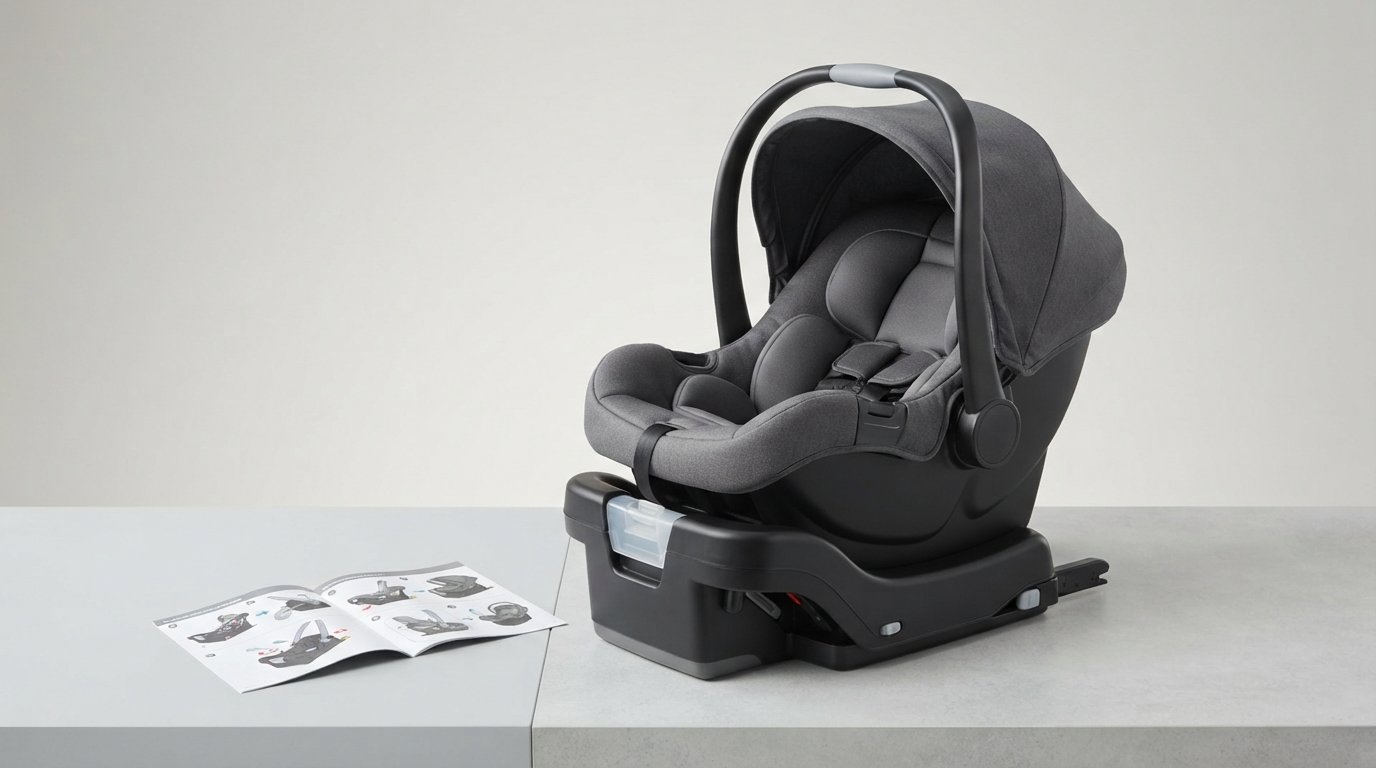
    What to look for: a seat rated for newborn weight and size, a clear installation guide, and a base that’s easy to click in and out.

    Common mistake: buying used from an unknown source. A seat with an unknown crash history or an expired one may not be safe. Check the manual for the expiration date.

    Money-saving tip: have your installation checked by a certified child passenger safety technician if one is available near you.

    Similar option: Infant Car Seat ► Check price on Amazon

    2. A Safe Sleep Space

    Babies need their own safe place to sleep. A crib, bassinet, or play yard with a firm, flat mattress is all you need, and it should be in your room for the early months per common safe-sleep guidance.
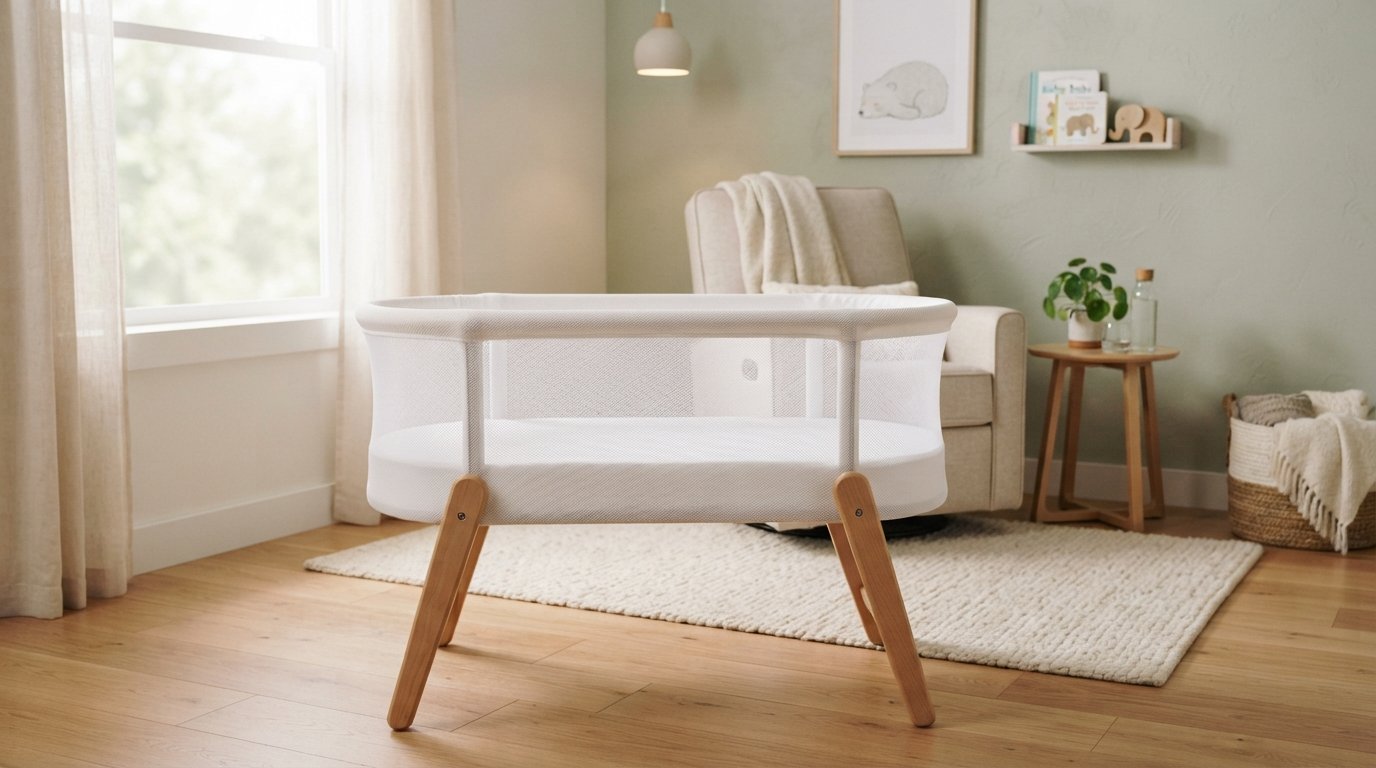
    What to look for: a firm, flat mattress that fits snugly, with no extras, and a product that meets current safety standards.

    Common mistake: adding pillows, bumpers, soft toys, or loose blankets because the bed looks bare. A bare sleep space is the safest. Always place your baby on their back to sleep.

    Money-saving tip: follow your pediatrician’s safe-sleep advice, and check recall notices before using any sleep product.

    Similar option: Baby Bassinet Bedside Sleeper  ► Check price on Amazon

    3. Fitted Crib Sheets

    You’ll go through sheets faster than you think because of spit-up and leaks. Having a few ready saves late-night scrambling.
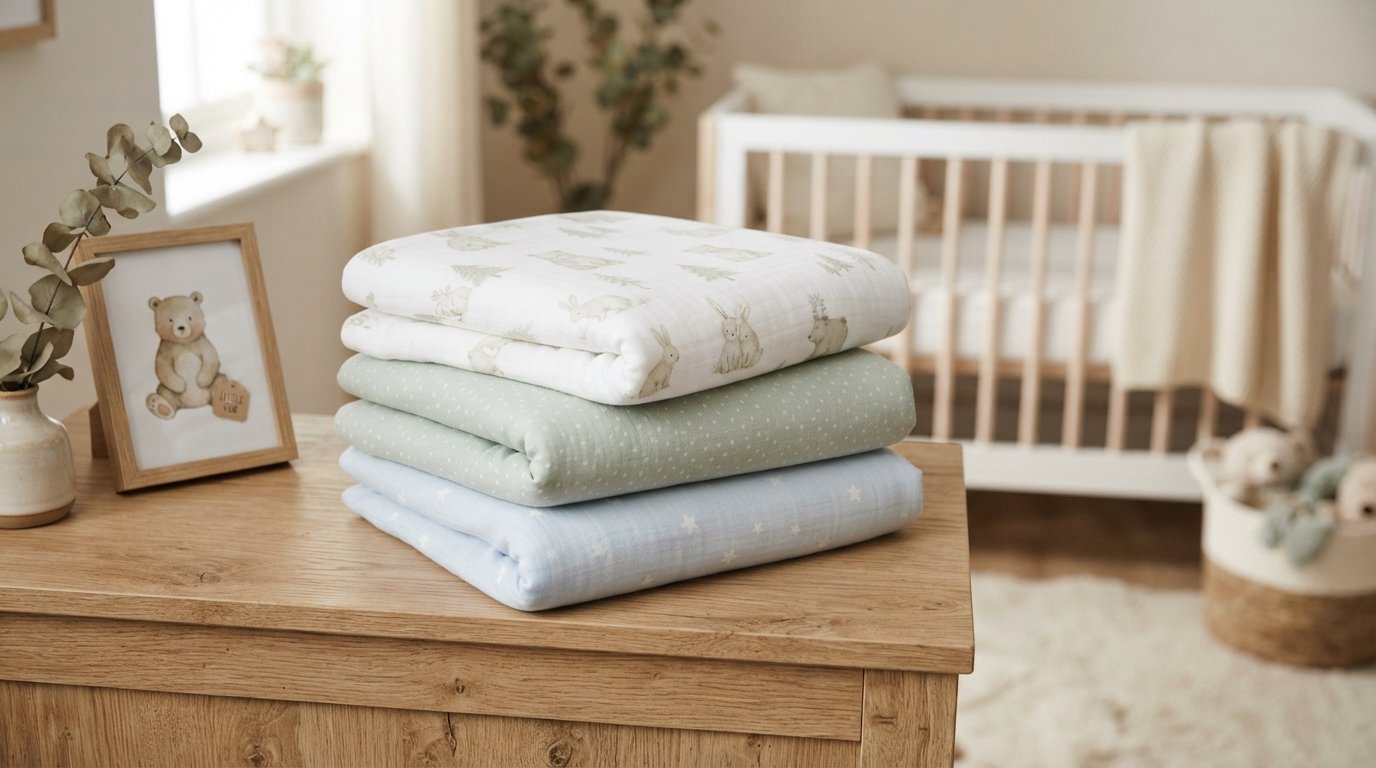
    What to look for: 2 to 3 snug-fitting sheets made for your exact mattress size, in soft breathable cotton.

    Common mistake: using sheets that fit loosely. A loose sheet can bunch up, so use ones made for your mattress.

    Money-saving tip: wash new sheets before first use with a gentle, fragrance-free detergent.

    Similar option: Fitted Crib Sheets  ► Check price on Amazon 

    4. Newborn Diapers

    Newborns can go through a lot of diapers each day. Having the right size on hand from day one avoids emergency store runs.
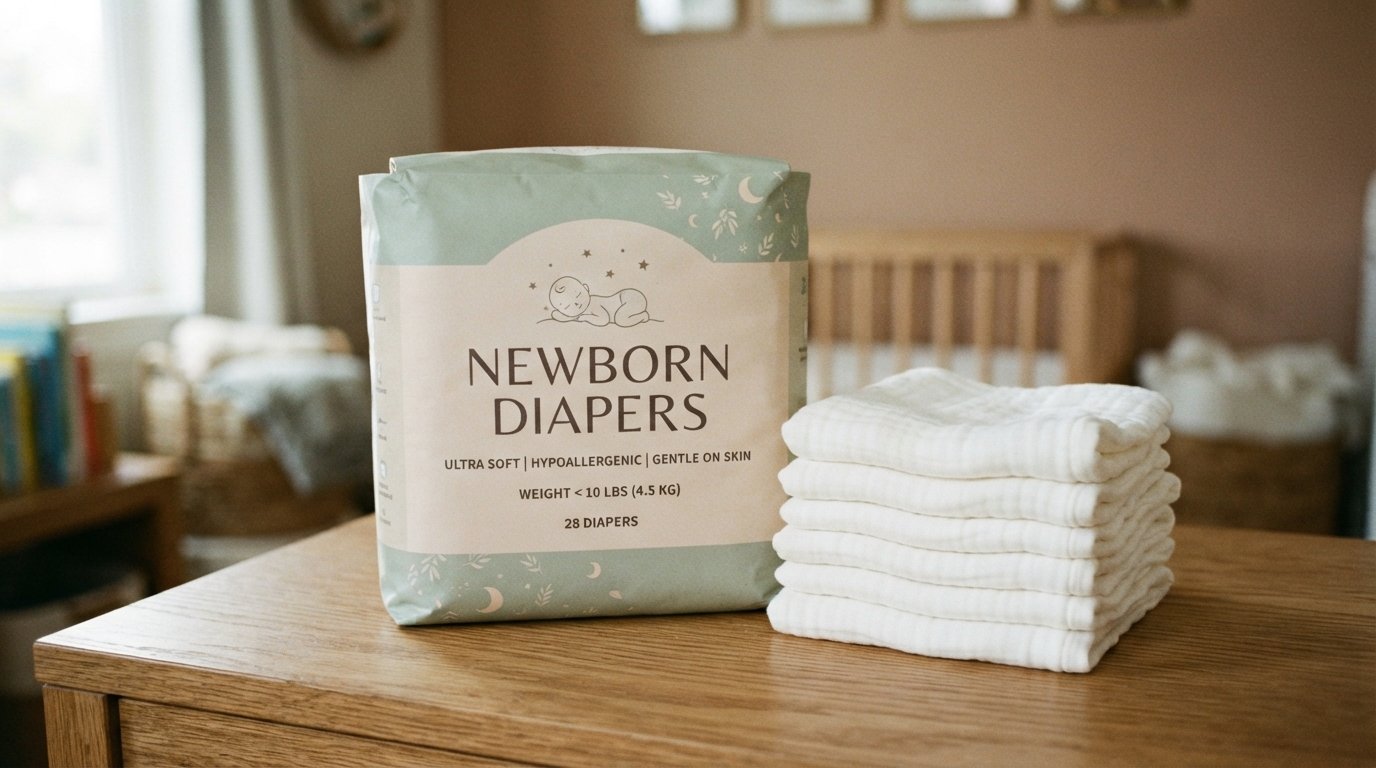
    What to look for: a small pack of newborn size and a larger pack of size 1, since babies grow fast.

    Common mistake: stocking up on a huge supply of one size. Babies outgrow newborn diapers quickly, and some babies skip it altogether.

    Money-saving tip: buy one small pack of a few brands first, to see which fits and works best for your baby’s skin.

    Similar option: Newborn Diapers  ► Check price on Amazon 

    5. Wipes and Diaper Cream

    A newborn’s skin is sensitive. Gentle wipes and a barrier cream help prevent redness and keep diaper changes comfortable.
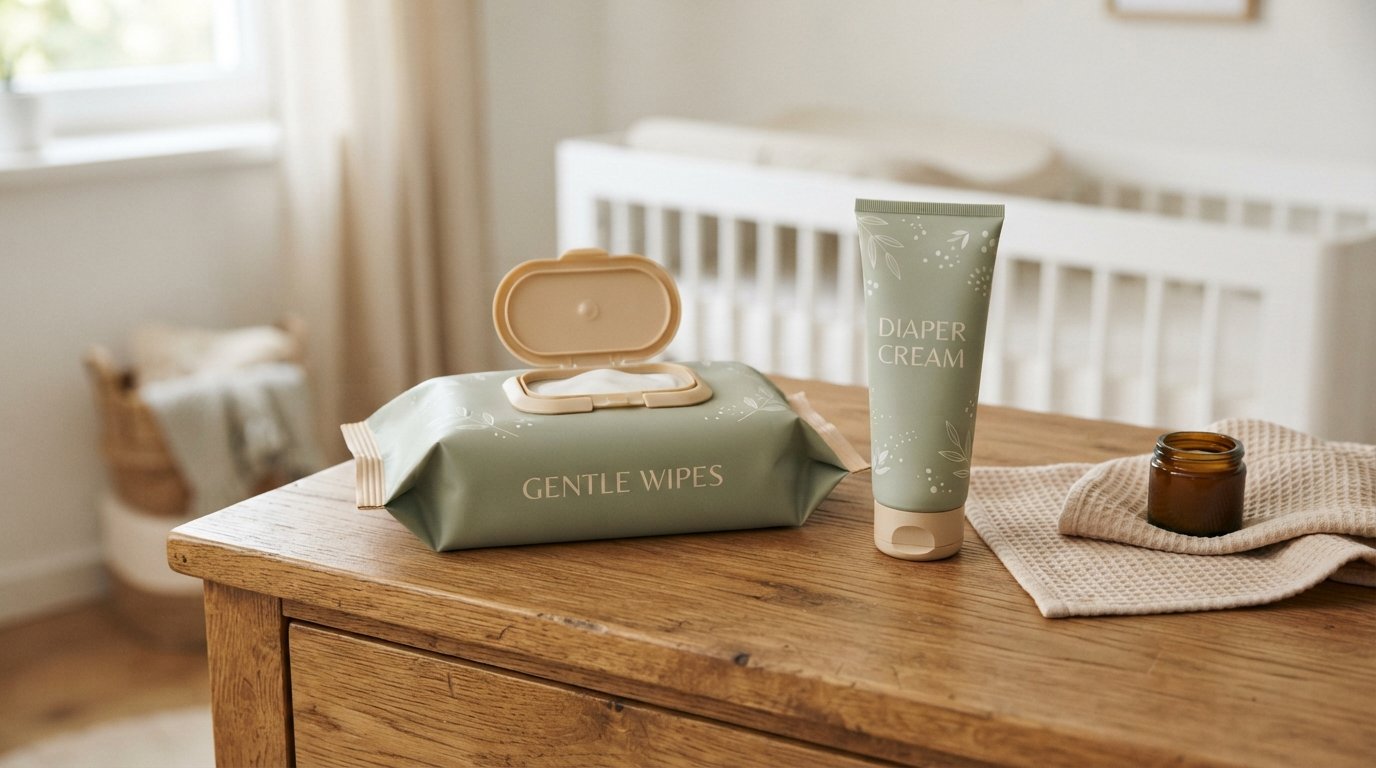
    What to look for: fragrance-free, alcohol-free wipes, and a zinc-based diaper cream.

    Common mistake: using wipes with strong scents on newborn skin. Choose gentle ones, and watch for any reactions.

    Money-saving tip: you can use warm water and soft cloths or cotton pads in the first weeks. Ask your pediatrician if you’re unsure.

    Similar option: Wipes and Diaper Cream   ► Check price on Amazon 

    6. A Changing Pad and Station

    A dedicated spot makes changes quick and organized, and it keeps everything within reach so you never leave your baby alone.
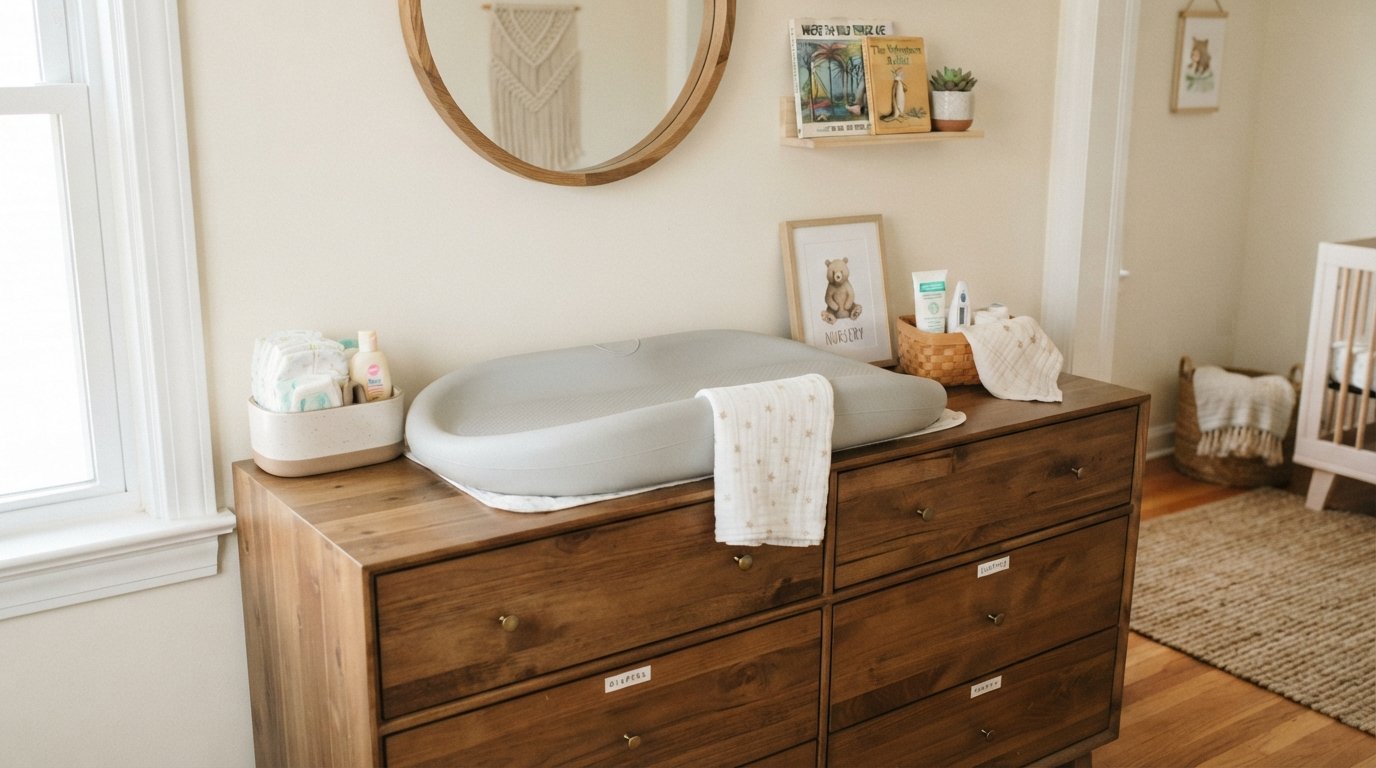
    What to look for: a contoured changing pad with a waterproof, wipeable cover, and a caddy or basket for supplies.

    Common mistake: reaching for supplies while looking away. Keep one hand on your baby at all times, and stock everything before you start.

    Money-saving tip: you don’t need a fancy table. A pad on a low, stable surface or on the floor works well.

    Similar option: Changing Pad and Station   ► Check price on Amazon

    7. Bodysuits and Sleepers

    Babies spit up, leak, and need frequent outfit changes. Simple, soft clothes make days and nights much easier.
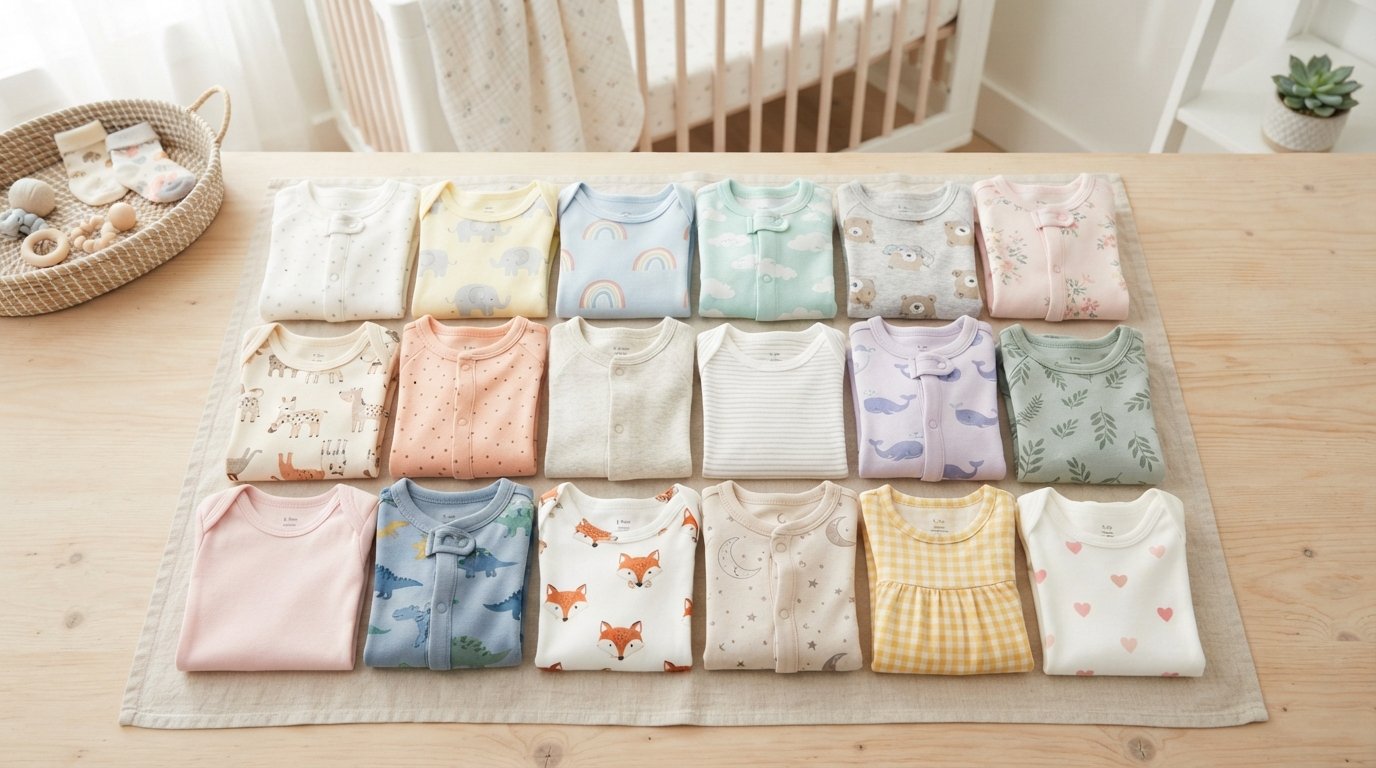
    What to look for: soft cotton bodysuits and zip-up sleepers (zippers are faster than snaps in the dark), in newborn and 0–3 month sizes.

    Common mistake: buying only newborn sizes or lots of fancy outfits. Babies grow fast, so mix sizes and keep it practical.

    Money-saving tip: start with about 5 to 7 of each and do laundry often. Wash before first wear.

    Similar option: Bodysuits and Sleepers ► Check price on Amazon

    8. Swaddles and Sleep Sacks

    Many newborns settle better when snug. Swaddles and wearable blankets keep them cozy without loose bedding in the crib.
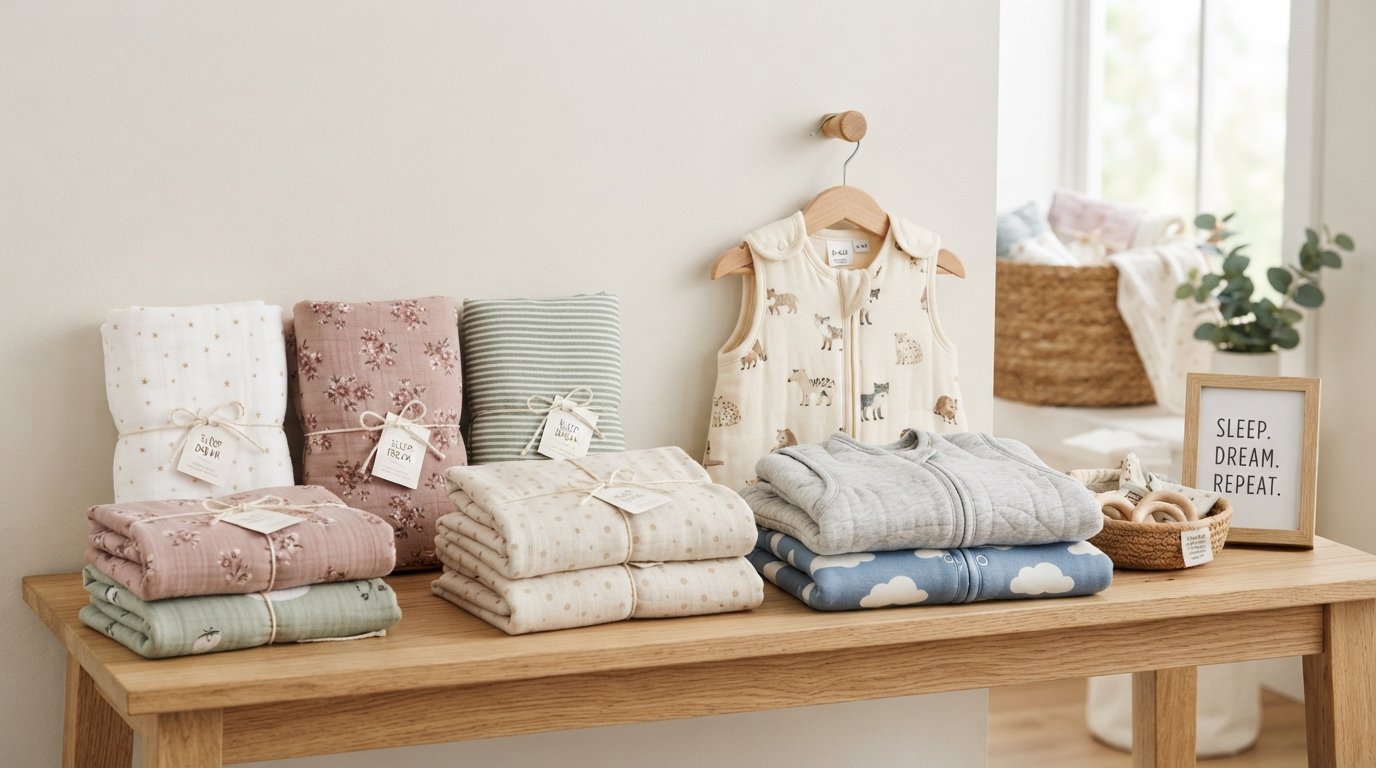
    What to look for: breathable fabric, easy-to-use zippers or velcro, and the right size for your baby’s weight.

    Common mistake: continuing to swaddle once your baby shows signs of rolling over. Follow the product instructions and stop at the right time.

    Money-saving tip: get two or three, so one is always clean.

    Similar option: Swaddles and Sleep Sacks ► Check price on Amazon

    9. Feeding Supplies

    Whether you breastfeed, bottle-feed, or do both, it helps to have the basics ready. Your needs may change, so don’t overbuy.
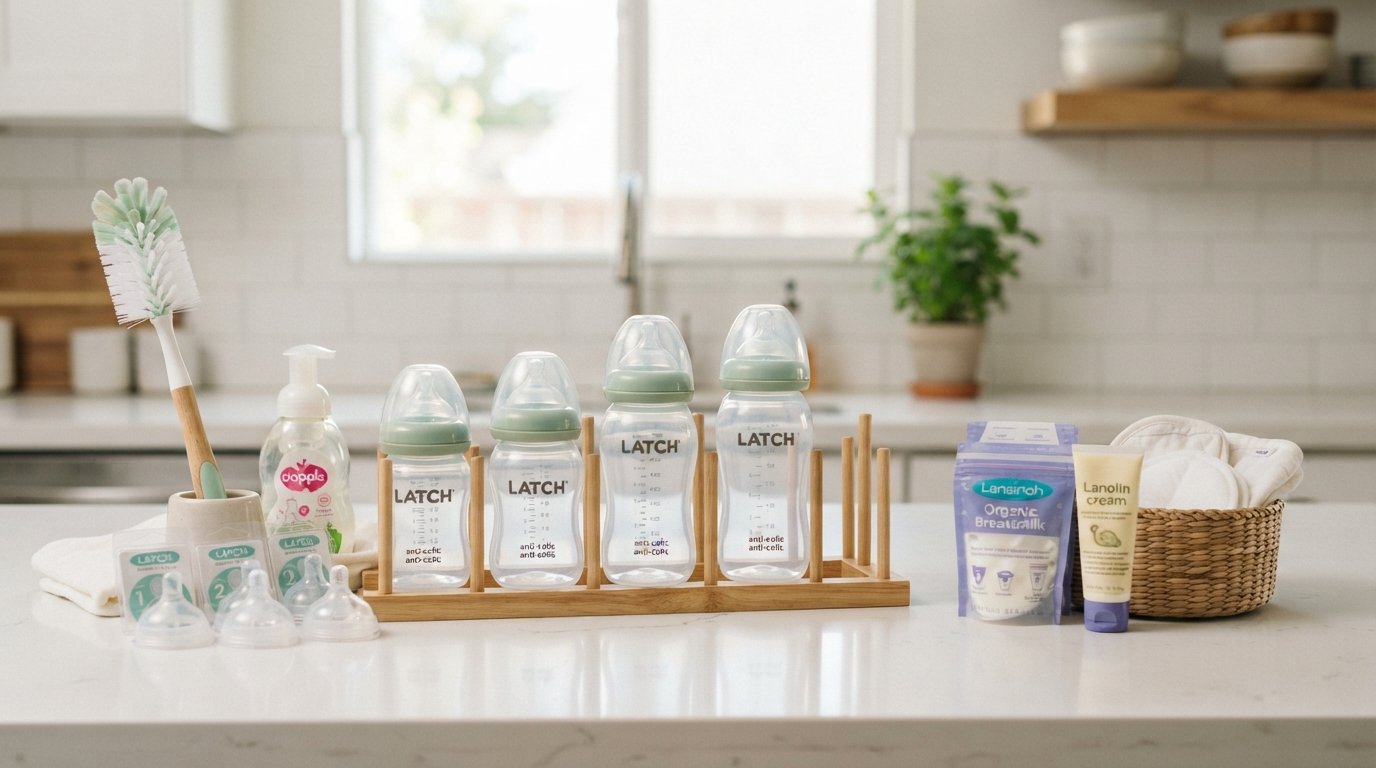
    What to look for: a few bottles with slow-flow nipples, a bottle brush, a drying rack, and formula or nursing supplies if you plan to use them.

    Common mistake: buying a large set of one bottle brand before knowing what your baby prefers. Start small.

    Money-saving tip: talk to your pediatrician or a lactation consultant about feeding and what you’ll need.

    Similar option: Feeding Supplies   ► Check price on Amazon 

    10. Burp Cloths

    Spit-up is a normal part of newborn life, and burp cloths protect your clothes (and your sofa).
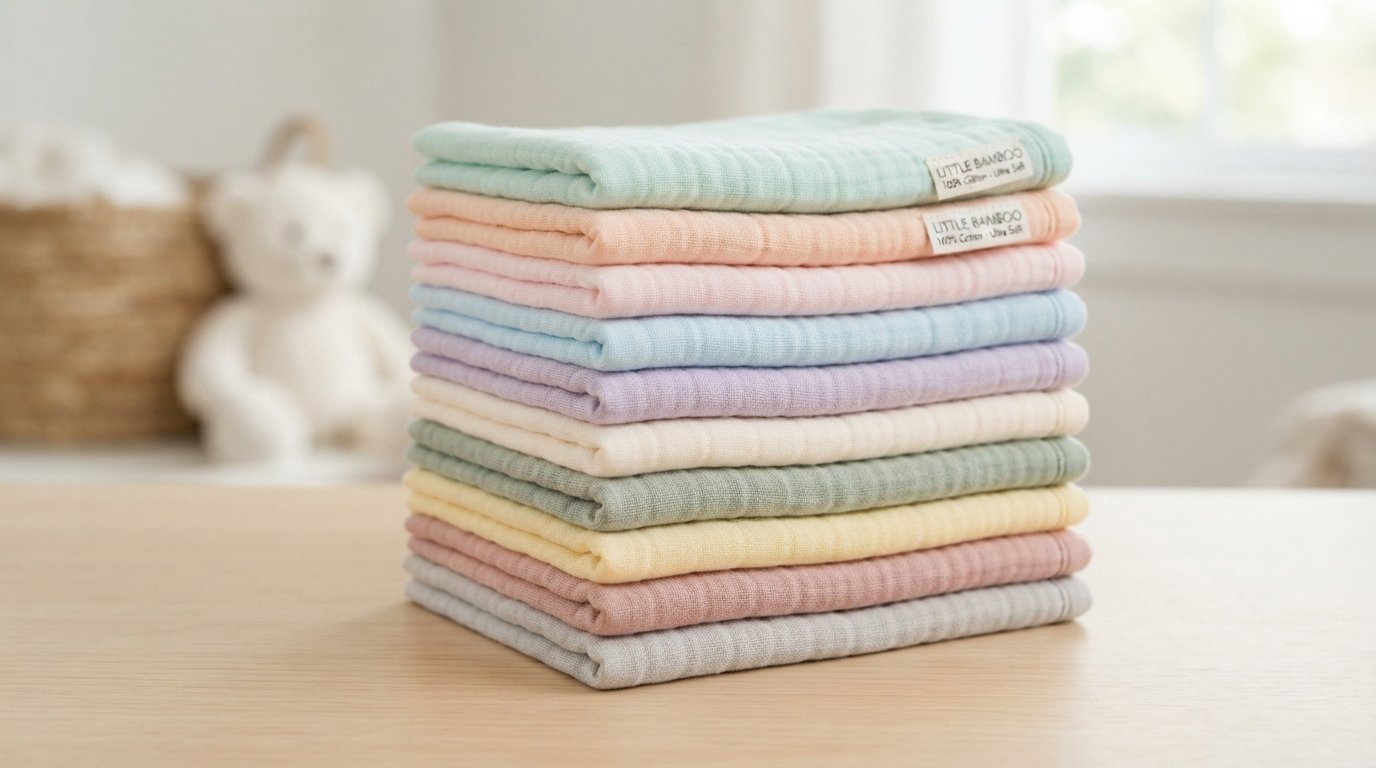
    What to look for: absorbent, soft cotton or muslin cloths in a pack of several.

    Common mistake: using a stiff towel that irritates baby’s face. Soft is best.

    Money-saving tip: keep one in every room, in the car, and in your bag.

    Similar option: Burp Cloths   ► Check price on Amazon

    11. Baby Bath Essentials

    Bath time can feel nerve-wracking at first. The right setup makes it safer and calmer. Many pediatricians suggest sponge baths until the umbilical cord stump falls off.
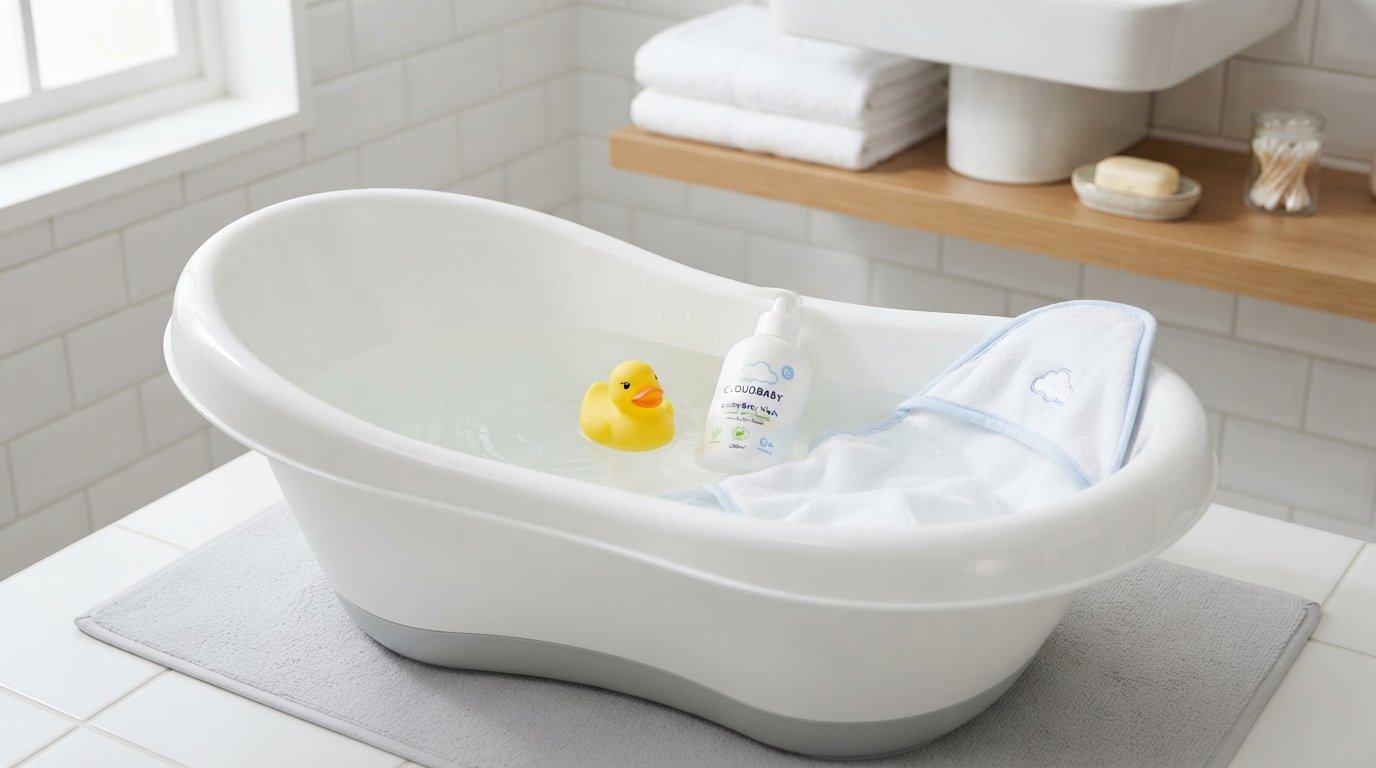
    What to look for: a baby tub with a supportive design, a gentle fragrance-free wash, soft washcloths, and hooded towels.

    Common mistake: leaving your baby alone in the bath, even for a second. Always keep a hand on your baby, and check the water temperature with your wrist or elbow.

    Money-saving tip: gather everything before you start so you never have to leave.

    Similar option: Baby Tub   ► Check price on Amazon

    12. Nail Clippers and Grooming Basics

    Newborn nails are tiny and sharp, and babies can scratch their own faces. A few safe grooming tools help.
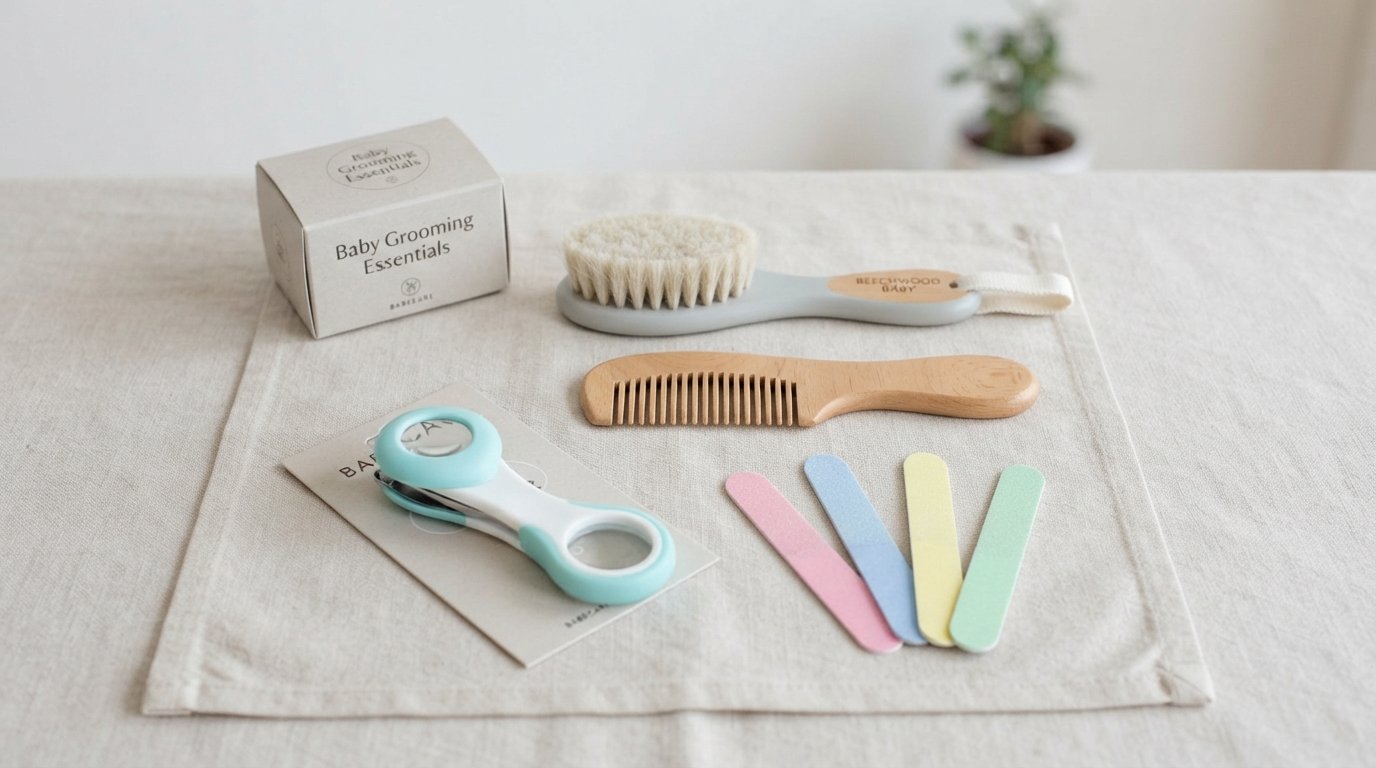
    What to look for: baby nail clippers or a soft file, a soft brush, and a nasal aspirator, if your pediatrician suggests one.

    Common mistake: trimming nails when your baby is wide awake and squirming. Try when they’re sleepy or feeding, and go slowly.

    Money-saving tip: filing is often easier and safer than clipping in the first weeks.

    Similar option: Nail Clippers and Grooming Basics  ► Check price on Amazon 

    13. A Digital Thermometer

    A reliable thermometer helps you check your baby’s temperature if they seem unwell. A fever in a newborn is a reason to call your doctor right away.
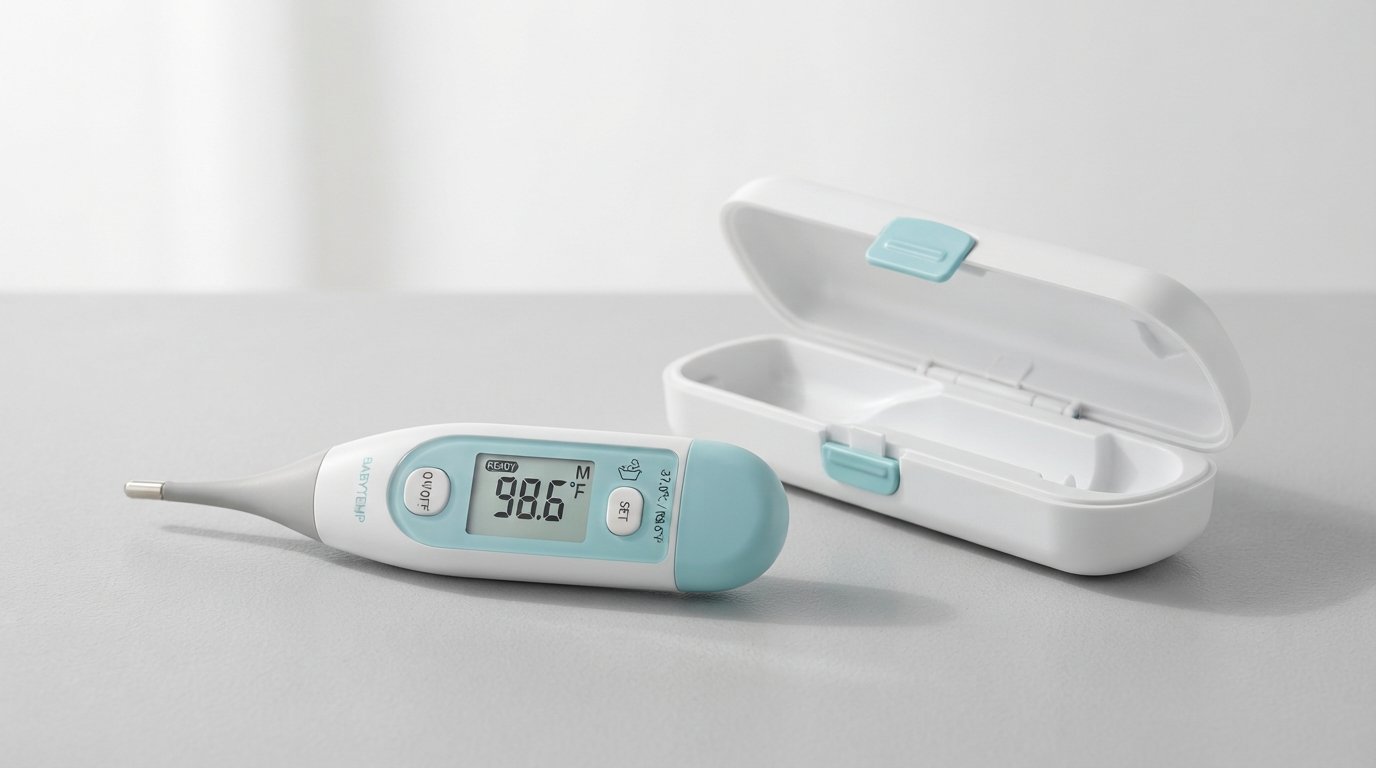
    What to look for: a fast, easy-to-read digital thermometer. Ask your pediatrician which type and method they recommend.

    Common mistake: guessing by touch. Use a thermometer, and call your doctor if you’re worried.

    Money-saving tip: keep the number of your pediatrician and an after-hours line near your thermometer.

    Similar option: A Digital Thermometer   ► Check price on Amazon 

    14. A Stroller or Baby Carrier

    Getting out of the house is easier with a way to carry your baby hands-free or roll them along. Which you choose depends on your lifestyle.
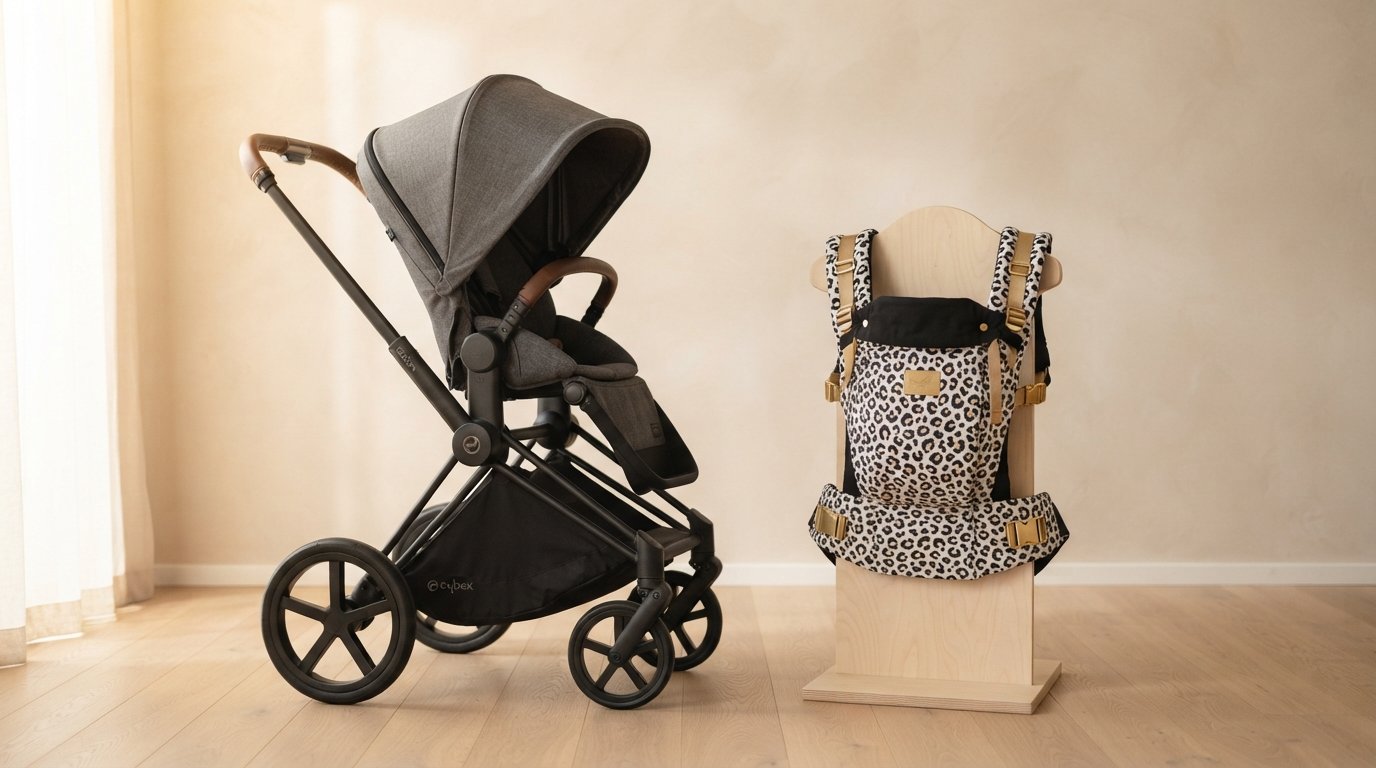
    What to look for: for strollers, a lightweight fold and a car seat adapter. For carriers, a newborn-safe design with good support and proper positioning.

    Common mistake: buying an expensive stroller before you’ve tried it. Test in a store if you can, and check it fits your car trunk.

    Money-saving tip: make sure your baby’s airway stays clear and visible in any carrier, and follow the instructions for newborn use.

    Similar option: Baby Stroller ► Check price on Amazon | Baby Carrier ► Check price on Amazon

    15. A Diaper Bag

    You’ll be carrying a lot more than you expect on every outing. A bag with good pockets keeps everything easy to find.
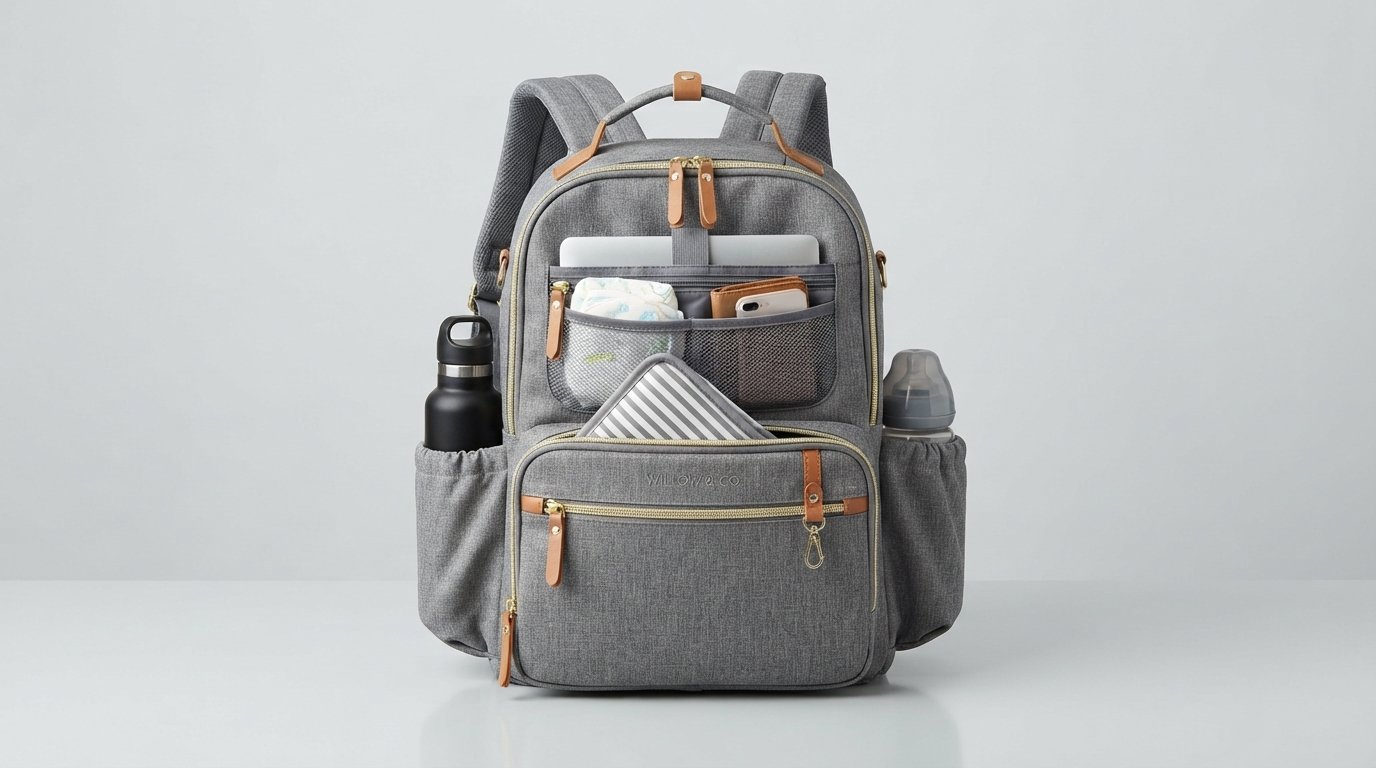
    What to look for: lots of pockets, a wipe-clean lining, a changing pad, and comfortable straps. Any roomy backpack can work.

    Common mistake: overpacking. Pack for a few hours of changes, a spare outfit, and your baby’s feeding supplies.

    Money-saving tip: restock it right after each outing so it’s always ready.

    Similar option: A Diaper Bag ► Check price on Amazon

    Newborn Essentials FAQ

    What do I really need for a newborn?

    The basics are a car seat, a safe sleep space, diapers and wipes, simple clothes, feeding supplies, and a thermometer. Everything else is optional.

    When should I buy newborn essentials?

    Many parents start in the second trimester or early third trimester, so everything is washed and ready before the baby arrives.

    How many newborn clothes do I need?

    Start small, about 5 to 7 bodysuits and sleepers in a mix of newborn and 0–3 month sizes. Babies grow fast, and you’ll do laundry often.

    What can I skip buying?

    Many parents skip wipe warmers, large amounts of newborn-size clothes, and extra gadgets. Wait to see what you actually need after your baby arrives.

    Final Thoughts

    You don’t need everything on a registry list to welcome a baby home. Start with safety items like the car seat and sleep space, then add the daily basics. You can always buy more once you know what works for your family. Save this checklist to Pinterest so it’s ready when you’re, and share it with a parent-to-be.

  • 15 Christmas Decorating Ideas for Small Apartments

    15 Christmas Decorating Ideas for Small Apartments

    As an Amazon Associate I earn from qualifying purchases.

    Decorating a small apartment for Christmas can feel challenging when every inch of floor space already has a purpose. You want the twinkling lights, festive greenery, and cozy holiday atmosphere—but you don’t want decorations taking over your living room.

    The good news? You don’t need a large home to create a beautiful Christmas setup. With a few thoughtful decorating choices, you can make your apartment feel festive while keeping it comfortable, organized, and easy to move around.

    Whether you live in a studio, a small one-bedroom apartment, or a rental with limited storage, these 15 Christmas decorating ideas will help you make the most of your space.

    1. Choose a Slim Christmas Tree

    A traditional full-size Christmas tree can take up valuable floor space. A slim or pencil-style tree gives you the familiar Christmas look while fitting more easily into a narrow corner.

    Place it beside the sofa, near a window, or in an unused corner of your living room. Keep ornaments relatively lightweight and choose a coordinated color palette to create a polished look without overwhelming the room.

    Product to consider: A slim artificial Christmas tree with a stable base and a size that fits your available space.

    2. Decorate with a Tabletop Christmas Tree

    If you don’t have room for a floor-standing tree, a tabletop version is a simple alternative.

    Place a small tree on a side table, console, desk, or sturdy shelf. Add a few miniature ornaments, a small decorative star, or a compact tree skirt to complete the look.

    This is especially useful in studio apartments where the living room, dining area, and workspace share the same room.

    Small-space tip: Measure your available surface before buying, and make sure the tree won’t interfere with everyday activities.

    3. Create a Christmas Tree on the Wall

    A wall-mounted Christmas tree is a creative way to decorate without using floor space.

    Arrange faux greenery, lightweight garland, or battery-operated lights in a triangular tree shape on a suitable wall. Add lightweight ornaments and finish with a star or ribbon at the top.

    For renters, removable hooks or suitable wall-safe hanging products may help avoid permanent holes. Always check the manufacturer’s instructions and test compatibility with your wall finish.

    Product to consider: Removable hooks, lightweight garland, or battery-operated fairy lights.

    4. Hang a Christmas Wreath on Your Door

    A wreath creates a festive first impression without taking up room inside your apartment.

    Choose a traditional evergreen wreath, a minimalist eucalyptus-style design, or one decorated with ribbons and small ornaments. An over-the-door hanger can be useful when drilling or nailing isn’t permitted.

    Before decorating an apartment entrance, check your lease and building rules, particularly if the hallway is a shared or regulated space.

    Small-space tip: Choose a wreath size that allows the door to open and close comfortably.

    5. Add Garland to Existing Shelves

    You don’t need a fireplace mantel to display Christmas garland. A bookshelf, TV console, or existing floating shelf can become a seasonal focal point.

    Drape a modest length of garland along the edge, then add a few ornaments or warm-white lights. Keep decorations away from electronics, vents, and anything that produces heat.

    Avoid covering every shelf. Leaving some open space makes the display feel intentional instead of cluttered.

    Product to consider: A compact faux garland that can be folded or stored in a small container after the holidays.

    6. Decorate Your Windows with Fairy Lights

    Window lights add a warm holiday glow without taking up furniture or floor space.

    Use warm-white string lights around the inside of a window frame, or hang a simple curtain of lights if the window and mounting method allow it. Battery-operated options can be helpful when an outlet isn’t nearby.

    Choose lights intended for the location where you’ll use them, follow the manufacturer’s instructions, and keep electrical cords away from walkways.

    Small-space tip: One neatly arranged strand can look more elegant than several overlapping sets of lights.

    7. Swap Everyday Pillow Covers for Christmas Colors

    You don’t have to buy a new sofa or fill your living room with seasonal decorations to change its appearance.

    Replace a couple of everyday pillow covers with Christmas-inspired colors such as deep green, burgundy, cream, or plaid. Add one coordinating throw blanket to create a cozy seasonal look.

    When Christmas is over, the covers can be folded flat and stored with your other seasonal items.

    Product to consider: Removable cushion covers in washable fabrics and colors that coordinate with your existing furniture.

    8. Use a Small Christmas Centerpiece

    A compact centerpiece can make a coffee table or dining table feel festive without taking over the entire surface.

    Arrange a few ornaments in a shallow bowl, place a small decorative tree on a tray, or combine faux greenery with a few seasonal accents.

    Keep the arrangement low enough to leave room for drinks, meals, or everyday essentials. If you use candles, choose a safe location away from flammable decorations and never leave an open flame unattended. Battery-operated alternatives can offer a similar glow.

    Small-space tip: Use a tray so you can move the entire arrangement easily when you need more table space.

    9. Hang Stockings Without a Fireplace

    Stockings can still be part of your Christmas decor even if your apartment doesn’t have a fireplace.

    Hang them from a bookshelf, a suitable shelf edge, a decorative ladder, or removable hooks attached according to their weight rating. You can also display small stockings along a ribbon or garland.

    Keep heavier items out of lightweight stockings if the mounting method isn’t designed to support the weight.

    Product to consider: Lightweight stockings, a decorative ladder, or appropriately rated removable hooks.

    10. Decorate Your Kitchen with Small Holiday Accents

    The kitchen doesn’t need a full Christmas makeover. A few useful, coordinated accessories can make it feel festive while leaving your counters functional.

    Try a Christmas dish towel, a small bowl of seasonal ornaments, a festive utensil holder, or a mini tree on an unused corner of the counter.

    Avoid placing decorations near the stove, hot appliances, or food-preparation areas where they could create a safety or hygiene issue.

    Small-space tip: Choose items that can replace everyday accessories instead of adding more things to store.

    11. Turn a Mirror into a Christmas Feature

    A mirror can help reflect light and make a small room feel brighter. During the holidays, it can also become a decorative focal point.

    Add a lightweight ribbon, a small wreath, or a short length of garland around a suitable mirror frame. Use a hanging method compatible with the mirror and its finish.

    Avoid heavy decorations on mirrors that aren’t securely mounted, and keep the reflective surface accessible so you can still use it.

    Product to consider: Lightweight decorative ribbon, faux greenery, or a small wreath.

    12. Hang Paper Snowflakes and Stars

    Paper decorations are affordable, lightweight, and easy to store.

    Hang paper snowflakes, folded stars, or simple ornaments near a window or along an appropriate curtain rod. You can also create a small arrangement above a desk or dining table.

    Choose a limited color palette—such as white and gold, or cream and green—to keep the display cohesive.

    Small-space tip: Flat paper decorations take up very little storage room once the season ends.

    13. Create a Cozy Christmas Bedroom

    Your bedroom can feel festive without adding bulky decorations.

    Switch to seasonal pillow covers, fold a Christmas-colored throw at the foot of the bed, or place a small decorative tree on a stable dresser. A short strand of suitable decorative lights can add warmth to the room.

    Keep pathways clear, avoid hanging decorations near heaters, and make sure lights and cords are positioned safely.

    Product to consider: A holiday throw blanket, seasonal pillow covers, or a compact tabletop tree.

    14. Make a Festive Entryway with Vertical Decor

    Even a small entryway can feel welcoming with a few well-placed decorations.

    Hang a wreath on the inside of the door, add a small garland to an existing shelf, or place a compact seasonal arrangement on a console table if you have one.

    If your entryway is narrow, avoid floor-standing decorations that interfere with shoes, bags, or the path to the door.

    Small-space tip: Decorate upward and use existing surfaces rather than adding new furniture.

    15. Choose Decorations That Store Easily

    One of the biggest challenges of apartment decorating is figuring out where everything will go after Christmas.

    Before buying seasonal decor, think about how you’ll store it. Flat ornaments, collapsible decorations, compact artificial trees, and reusable fabric storage bags can help make packing away easier.

    Keep similar items together and label containers so you can find what you need next year. You can also prioritize decorations that work for more than one occasion, such as neutral fairy lights or decorative trays.

    Product to consider: Stackable storage containers, ornament organizers, or collapsible holiday decorations suited to your available storage space.

    How to Decorate a Small Apartment for Christmas on a Budget

    You don’t have to purchase all 15 ideas to create a festive home. Start with a few decorations that make the biggest visual difference.

    • Start with what you own. Reuse neutral throws, trays, baskets, and existing lights where appropriate.
    • Choose one focal point. A small tree or decorated shelf can anchor your holiday look.
    • Pick two or three coordinating colors. A consistent palette helps inexpensive decorations look intentional.
    • Decorate vertically. Doors, windows, and shelves offer opportunities without using additional floor space.
    • Buy with storage in mind. Consider how each item will fit into your apartment after the holidays.

    The goal isn’t to fill every corner. It’s to create a few festive moments that fit comfortably into your everyday life.

    Final Thoughts

    A small apartment can feel just as festive as a larger home when you decorate thoughtfully. A slim tree, a wreath, warm window lights, seasonal textiles, and a few well-chosen accents can transform your space without making it feel crowded.

    Start with the areas you use and see most often, choose decorations that fit your layout, and leave enough room to live comfortably throughout the season.

    Save these ideas for your holiday decorating plans, and choose the Christmas touches that make your apartment feel like home.